
Understanding the psychology behind gambling behavior in casinos
Understanding the psychology behind gambling behavior in casinos
The Allure of the Casino Environment
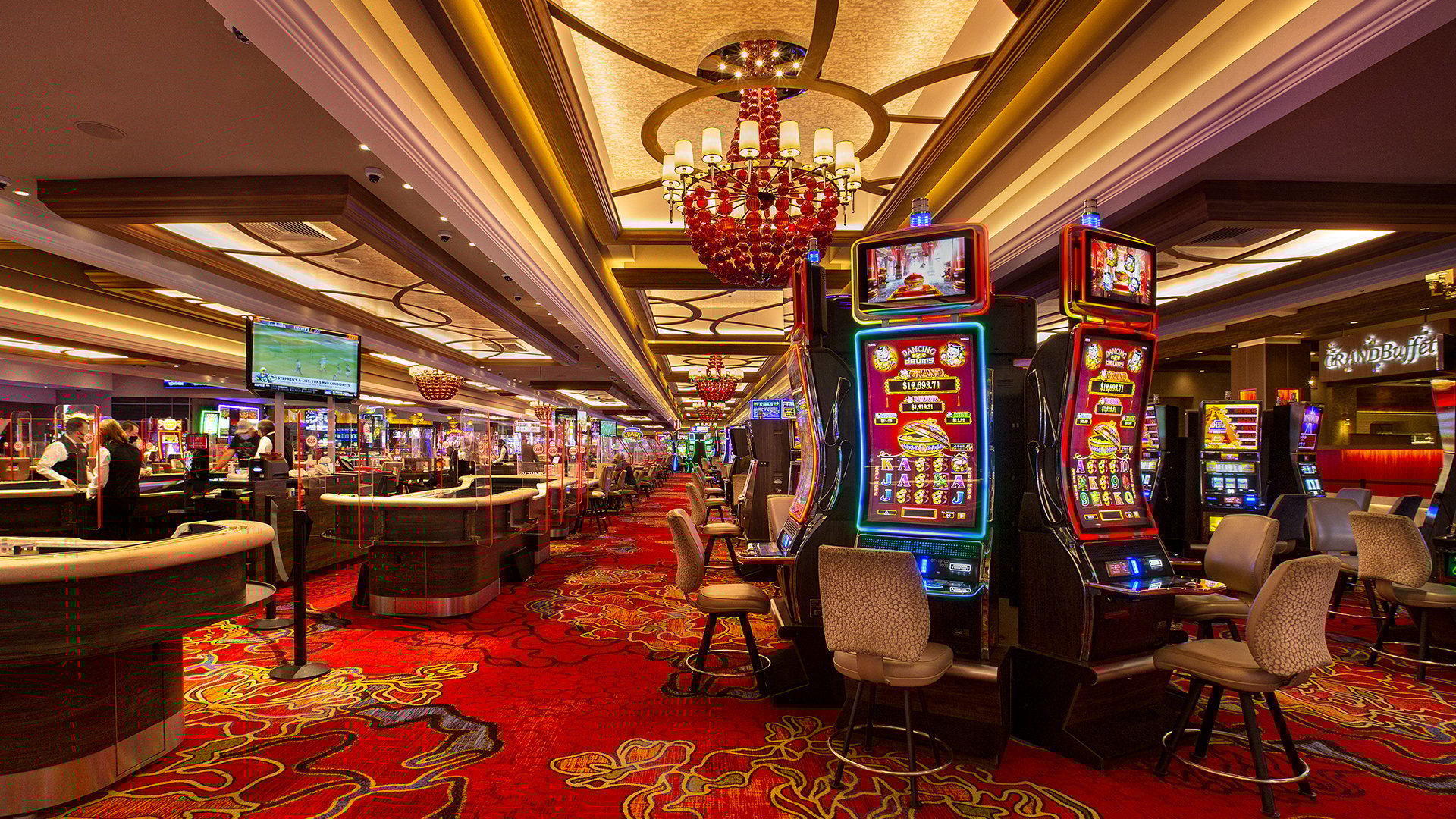
The atmosphere of a casino plays a significant role in shaping gambling behavior. Bright lights, vibrant colors, and the sounds of slot machines create an exhilarating environment that can heighten emotions and stimulate the senses. This sensory overload can lead individuals to lose track of time and money, as they become engrossed in the experience. To enhance your experience, you canvisit site strategically crafted to encourage prolonged engagement.

Moreover, the social aspect of gambling cannot be overlooked. Casinos often foster a sense of community and excitement among players, further enticing individuals to participate. The presence of others celebrating wins or sharing in the tension of a game can create a contagious atmosphere that encourages more gambling. This social dynamic is critical in understanding why some individuals may gamble more than they initially planned.
Psychological Triggers and Gambling Behavior
Psychological triggers play a crucial role in influencing gambling behavior. For many individuals, gambling can serve as an escape from stress or negative emotions. The thrill of a potential win can provide a temporary boost in mood, making the act of gambling appealing. This short-term relief can lead to a cycle where individuals return to the casino seeking to replicate that high, often leading to problematic gambling behavior.
Additionally, cognitive biases, such as the illusion of control and the gambler’s fallacy, can significantly affect decision-making. Players may believe they can influence outcomes or that a win is due after a series of losses. These misconceptions can lead to chasing losses and increased spending, further entrenching them in the gambling cycle.
The Role of Risk and Reward
The fundamental principle of gambling revolves around risk and reward. Individuals are often drawn to the thrill of taking risks, as it provides a sense of adventure and excitement. Casinos capitalize on this by offering various games with different levels of risk and potential reward. The possibility of winning large sums of money can be a powerful motivator for many players.
However, the variability of outcomes can also lead to frustration and addiction. The intermittent reinforcement of wins can keep players engaged even when losses accumulate. This unpredictability creates a psychological rollercoaster that can be hard to resist, as players hope for that elusive big win that will justify their continued play.
Cultural Influences on Gambling Behavior
Cultural perspectives significantly shape gambling behaviors and attitudes. In some societies, gambling is viewed as a recreational activity, while in others, it may be frowned upon or considered taboo. These cultural norms can influence individuals’ willingness to engage in gambling and the social acceptance of their behavior.
Furthermore, the normalization of gambling in popular culture, through movies and advertising, can also impact perceptions. When gambling is depicted as glamorous or rewarding, it may encourage individuals to partake without fully understanding the risks involved. Recognizing these cultural influences is essential for promoting responsible gambling practices and addressing potential issues within various communities.
Explore Your Options with Responsible Gaming
As a player, it’s essential to stay informed about your gaming options while prioritizing responsible gaming practices. Many online platforms provide resources and support for players to ensure a safe and enjoyable experience. Understanding the psychology behind gambling behavior can empower you to make informed decisions, helping you navigate the thrilling yet potentially risky world of casinos.
Whether you are a seasoned gambler or exploring gaming for the first time, make sure to utilize available tools and resources. With a commitment to transparency and player safety, you can enhance your gaming journey while being mindful of the psychological factors at play in gambling. Embrace the fun responsibly and enjoy the diverse offerings available in today’s gaming landscape.